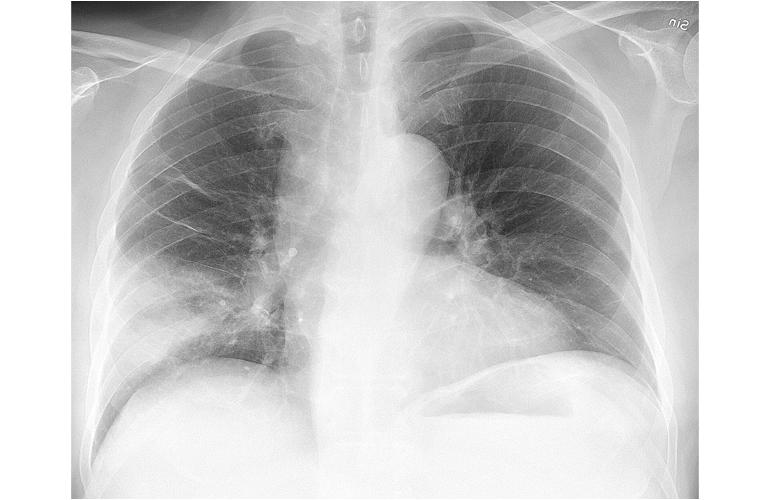
Diagnosing pulmonary tuberculosis can be a tricky thing. As highlighted previously, the Ziehl-Neelsen smear is not a terribly sensitive methodology and the MTB-PCR sensitivity depends on if the sample is smear positive. Given that pulmonary tuberculosis tends to have a higher bacterial burden, it would be reasonable to think that other diseases without this high
Category: ID Guide
Gram negative bacteremia tends to complicate a variety of infections, including urinary tract infections/pyelonephritis, and intra-abdominal infections. Further, a lot of these patients tend to have severe presentations leading to perhaps overtreatment with IV antibiotic therapy. Until recently, there had been little data to guide uncomplicated gram negative rod bacteremia but there has been a
I’ve been reading quite a bit about antifungals lately and one of the things I realized is the many formulations of amphotericin. Actually, the realization I had was I didn’t know the differences between them. It is a polyene antifungal that has broad spectrum antifungal activity (including Leshmania spp) but it is limited by its
Procalcitonin is a precursor of the hormone calcitonin and is released into systemic circulation within 4 hours of inoculation of bacterial endotoxin, In general, cytokines enhance procalcitonin release while interferons, which are released in context of viral infections. Because of this, there has been a push towards using PCT to differentiate bacterial from viral infections
Empiric therapy for patients with pneumonia is not as clear cut as one would think. Guidelines tend to differ in terms of when to start empiric MRSA coverage, with some guidelines recommending initial therapy that covers MRSA in those who are admitted to the ICU (1), while other guidelines suggest to start MRSA therapy if
Sputum cultures for the diagnosis of pneumonia tends to be a tricky subject. Many times, obtaining an adequate sputum sample can be difficult, as patients may not be able to produce adequate amounts of sputum, there is contamination of oropharyngeal flora that clouds the diagnosis (especially in an aspiration event or those who have underlying
Acute myocarditis is one of those diseases that is a catastrophic due to its dramatic presentation and because we never pinpoint the etiology. People tend to be deathly ill and almost any virus can lead to this cardiac manifestation. Most of the time, short of giant cell myocarditis, there really is not much to do.
So MRSA is really hard to kill. If you have done any sort of ID, you will not be surprised by that statement. MRSA bacteremia has a high relapse rate. Because of this, people have tried multiple types of antibiotics, including Daptomycin and Ceftaroline, have been used with minimal change in the outcomes. In the
Lyme disease is a difficult beast to diagnose. I think most people know some of the characteristics, including the fact it is a vector-borne illness that causes a characteristic rash (EM) that can lead to CNS disease, cardiac disease, and large joint arthritis. While the clinical characteristics are known, there is some difficulty in diagnosing
Pneumococcus, or Streptococcal pneumoniae, is an encapsulated gram positive organism. SO that is not a surprise to most people reading this. Here is a diagram of the capsule: Strep pneumo joins other encapsulated organisms such as Haemophilus influenza and Nisseria meningiditis in causing havoc in certain immunodeficiency states. These include anything that affect the opsonization