This is a topic that can be confusing, given the different numbers of assays and treatment algorithms that exist. Different hospitals have their own algorithm so this makes this a bit confusing when going from one shop to the next. In general, testing (at least nowadays) tends to fall into 2 general categories: Enzyme immunoassay
In general, this tends to be a tricky subject. Add that to the fact that there are varying recommendations from different societies, it becomes difficult to figure out the who and when (I assume the surgeons will figure out the how). Here, we will look at timing of surgical intervention in left sided native infective
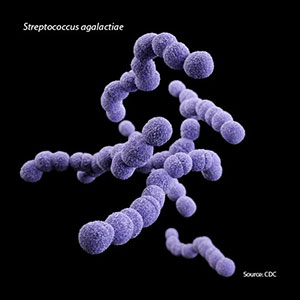
The rate of invasive group B streptococcal infection has been rising for the past few years. Originally described in neonates and pregnant woman, the incidence of invasive disease has risen significantly in the non-pregnant adults. Early studies (1, 2) from Atlanta in the early 90s found that in non-pregnant adults, bacteremia without a focus and
The history of plague and its place in human history is difficult to argue. There are 3 major pandemics that are attributed to the organism Yersinia Pestis: The “Justinian” Plague during the Byzantine Empire The “Black Death” during Medieval Europe The “Third Pandemic” that began in the late 19th Century and likely ongoing until today
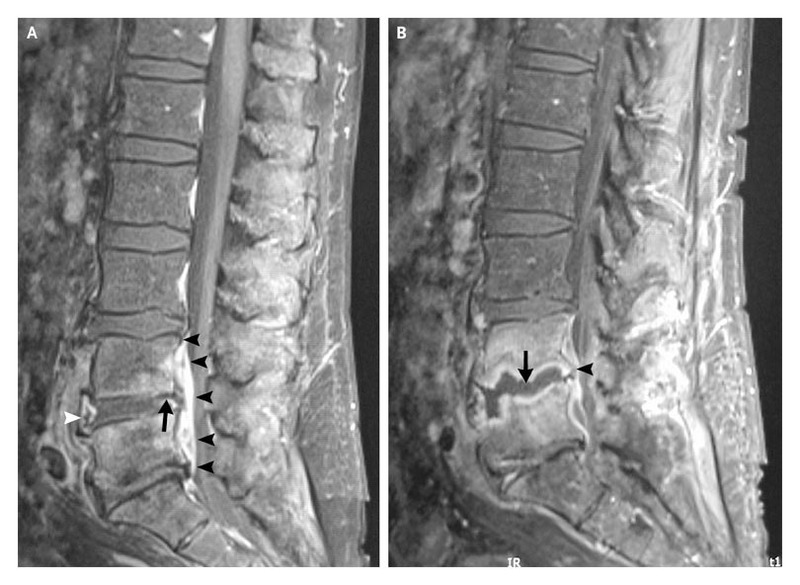
The duration of therapy in vertebral osteomyelitis tends to be prolonged, usually 6 weeks of more. If there is anything to take away from this, is that at least 6 weeks of antibiotics for vertebral osteomyelitis is usually fine, but there are certain exceptions that may warrant longer duration of therapy. Some well cited data
This post will not cover the clinical course or risk factors. We’ll be going over the direct fluorescence antibody, PCR, as well as the elusive beta-D glucan as well as taking a brief look at the original ways we used to diagnose PJP (or in some places, how they still diagnose it. In the days
This is the cell wall of fungi. It is not inert and, the cell wall undergoes a consistent process of assembly and remodeling during cell growth. Glucan is the most abundant polysaccharide, and it is made up of glucose polymers linked by carbon at the first and third position: Back in the day (roughly the
This is a complicated issue, but I think it makes antibiotic dosing (especially things like vancomycin and aminoglycoside) more easy to understand. I’ll try to make it as easy and digestible as possible. I’ll discuss mostly pharmacodynamics (i.e how the drug exerts its antimicrobial effect). I discussed MIC testing in a previous post, as well
Tamma PD, Conley AT, Cosgrove SE, et al. Association of 30-Day Mortality With Oral Step-Down vs Continued Intravenous Therapy in Patients Hospitalized With Enterobacteriaceae Bacteremia. JAMA Intern Med. 2019;179(3):316–323. doi:10.1001/jamainternmed.2018.6226 This is a multicenter retrospective cohort on patients with monomicrobial Enterobacteriacae blood stream infections (Citrobacter spp, Enterobacter spp, E.coli, Klebsiella spp, Proteus mirabilis, or Serratia marcecens) comparing
This is a confusing bit that no one really seems to understand, because it seems so basic. Bactericidal antibiotics kill bacteria, bacteriostatic doesn’t. Seem simple, but it’s a bit more complicated. First things first: all antibiotics kill. Otherwise, they wouldn’t work. The whole bacteriocidal vs static definition is mostly a microbiogical one rather than a