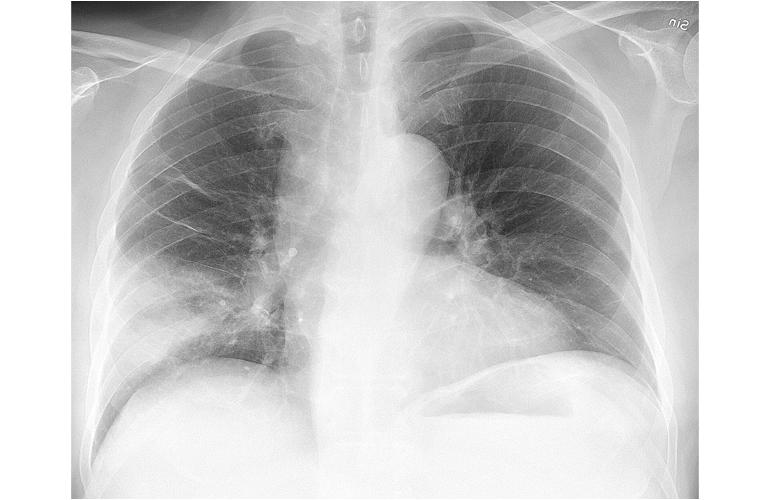
Staphylococcus aureus is an organism that is quite common in many diseases, including skin and soft tissue infections, bacteremias, and pneumonia. It causes fairly severe infection due to its significant number of toxins and virulence factors. I have mentioned the superantigen that causes toxic shock syndrome however another toxin that is useful to know about
Category: Pneumonia
Legionella is an interesting organism, it tends to be one of those things you end up looking for and never finding while in the wards but it also tends to cause occasional outbreaks of pneumonia. The most common test that is ordered for this is the urine legionella antigen. I will cover some of the
If you get nothing from this, just remember: TMP-SMX, fluroquinolones, minocycline. These tend to be good antibiotic options for this bug. Also, make sure if you isolate this from a trach or a endotracheal tube that there are signs of infection before you proceed with treatment as this can colonize plastic! Stenotrophomonas maltophilia is a
Last week I talked about invasive pulmonary aspergillosis in influenza and COVID patients. This is not the first time I have talked about this topic. I have mentioned how the halo sign is not terribly specific for IPA, especially in hematological patients and the testing characteristics of galactomannan. I have also spoken about the other
Blood cultures are the gold standard for evaluating patients with suspected bacteremia. They are an indispensable tool in evaluating diseases such as infective endocarditis, septic shock, meningitis, and pneumonia. By far, it is relatively simple to interpret the results (its either positive or negative) though whether it represents a clinically relevant entity or contamination is
Procalcitonin is a precursor of the hormone calcitonin and is released into systemic circulation within 4 hours of inoculation of bacterial endotoxin, In general, cytokines enhance procalcitonin release while interferons, which are released in context of viral infections. Because of this, there has been a push towards using PCT to differentiate bacterial from viral infections
Empiric therapy for patients with pneumonia is not as clear cut as one would think. Guidelines tend to differ in terms of when to start empiric MRSA coverage, with some guidelines recommending initial therapy that covers MRSA in those who are admitted to the ICU (1), while other guidelines suggest to start MRSA therapy if
Sputum cultures for the diagnosis of pneumonia tends to be a tricky subject. Many times, obtaining an adequate sputum sample can be difficult, as patients may not be able to produce adequate amounts of sputum, there is contamination of oropharyngeal flora that clouds the diagnosis (especially in an aspiration event or those who have underlying